
How to Start a Freelance Graphic Design Career
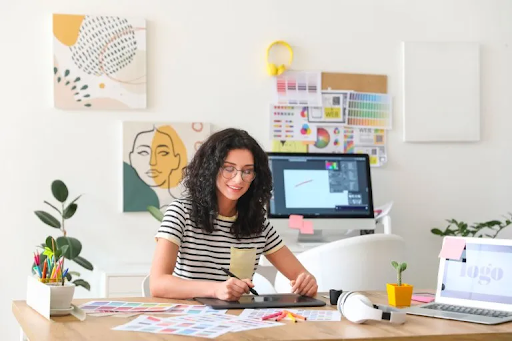
Turning creativity into real work
What if the designs you make for fun could become the start of your career?
If you already enjoy creating posts, logos, layouts, mood boards, or brand visuals, graphic design may feel like a natural path. And if the idea of working for yourself sounds exciting, freelancing can make that path even more appealing. You choose your projects, build your style, and grow at your own pace. In this article, you will learn how to start a freelance graphic design career, what skills matter most, how to find your first clients, and why this route can be a smart move if you want both creativity and independence.
Freelance design is about more than making things look good
A freelance graphic designer does much more than create pretty visuals. The real job is to communicate clearly through design. That can mean building a logo for a small brand, creating social media graphics, designing flyers for an event, or helping a business look more professional online. You solve visual problems. You help a client send the right message, attract attention, and look consistent across different platforms.
That is why freelance design often feels more practical than people expect. Yes, creativity matters. But so do listening skills, deadlines, revisions, and understanding what a client actually needs. In many cases, the best designer is not the one with the fanciest style. It is the one who can turn an idea into something clear, useful, and effective.
Why this path still makes sense today
Some people assume design is too competitive or that AI has replaced the opportunity. The reality is more nuanced. According to the U.S. Bureau of Labor Statistics, employment of graphic designers is projected to grow 2% from 2024 to 2034, with about 20,000 openings each year on average over the decade. That may not sound explosive, but it still points to steady demand, especially as workers change roles or leave the field.
It is also worth noticing that visual work now extends beyond traditional print design. The BLS says web developers and digital designers are projected to grow 7% from 2024 to 2034, which shows how much demand is connected to digital content, websites, branding, and online experiences. For a freelancer, that is important. The more flexible your skills are, the more opportunities you can create around digital design work.
You do not need to wait years to begin
One reason freelance design attracts young people is that you can start small. You do not need a huge agency, a fancy office, or ten years of experience before doing real work. You can begin by creating sample projects, redesigning existing brands for practice, building visuals for a student group, or helping a local business improve its image. Those early steps matter because they help you build a portfolio, and your portfolio is often what speaks first.
A strong collection of work can make people trust your skills faster than a list of vague claims. Clients want to see your style, your ideas, and your ability to solve visual problems. That is why practicing consistently and presenting your work clearly matters so much.
The skills that really help you grow
To build a freelance graphic design career, you need more than creativity alone. Of course, you should learn design basics like layout, hierarchy, typography, color, composition, and branding. You also need to feel comfortable with professional tools and digital workflows. But on top of that, you need real freelance skills: communicating with clients, setting prices, managing feedback, organizing your time, and keeping projects on track.
This is where many beginners get surprised. The design part is only one side of the job. The freelance side matters just as much. If you answer late, misunderstand a brief, or send messy files, your talent may not be enough. On the other hand, if you are reliable, clear, and easy to work with, clients are much more likely to come back or recommend you.
Finding your first clients often starts closer than you think
Your first client does not always come from a big company. It might come from a friend starting a project, a small local business, a student association, a gym, a café, or someone who needs help with social media visuals. That is why starting freelance design is often less about waiting for the perfect opportunity and more about being visible and ready.
One smart move is to choose a few service types and do them well. For example, you might focus first on logos, social media packs, posters, or brand kits. That makes it easier for people to understand what you offer. It also helps you build a more coherent portfolio, which makes you look more professional even at the beginning.
AI changes the workflow, but not the need for designers
AI tools are now part of the creative world, and pretending otherwise would make no sense. But that does not mean freelance designers have no future. Adobe's 2025 Creative Trends report highlights how AI is increasing the power of creativity and giving professionals new ways to generate ideas and enhance their process. The key difference is this: tools can speed things up, but they do not replace taste, judgment, strategy, or human style.
For a young freelancer, this can actually be an advantage. If you learn both design fundamentals and modern tools, you can work faster without losing quality. Clients still need someone who understands their brand, makes good choices, and delivers polished work. AI can support the process, but the designer still shapes the result.
Building a career means building trust
The strongest freelance designers do not just make good visuals. They build trust over time. They meet deadlines. They ask useful questions. They handle feedback well. They improve with each project. This matters because freelance work often grows through repeat clients and word of mouth. Someone hires you once, likes the experience, and comes back when they need more.
That is why consistency matters more than trying to look perfect from the start. You do not need to know everything on day one. You need to keep improving, stay professional, and treat even small projects seriously. A poster for a local event or a logo for a small side business can become the work sample that helps you land something bigger later.
Starting now can give you a real advantage
Freelance graphic design is not just a side hobby for creative people. It can become a real career path if you combine visual talent with structure, reliability, and strong digital skills. It lets you create, solve problems, and build something that feels personal at the same time. For many young adults, that mix of freedom and practical value is exactly what makes the path attractive.
Ready to Turn Your Creativity Into a Professional Path?
At Etudis.us, our program helps you move from raw creativity to professional-level skill. You learn the foundations of graphic design, build work you can actually show, and develop the habits that matter in real projects and client situations. If you want to turn your ideas into a serious path and start building a portfolio with purpose, the Etudis.us graphic design program can help you take that first step with confidence.
Discover the Graphic Designer Program →